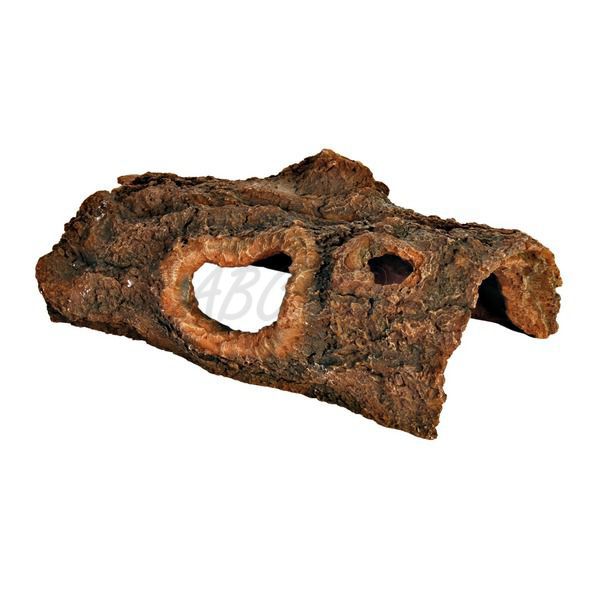
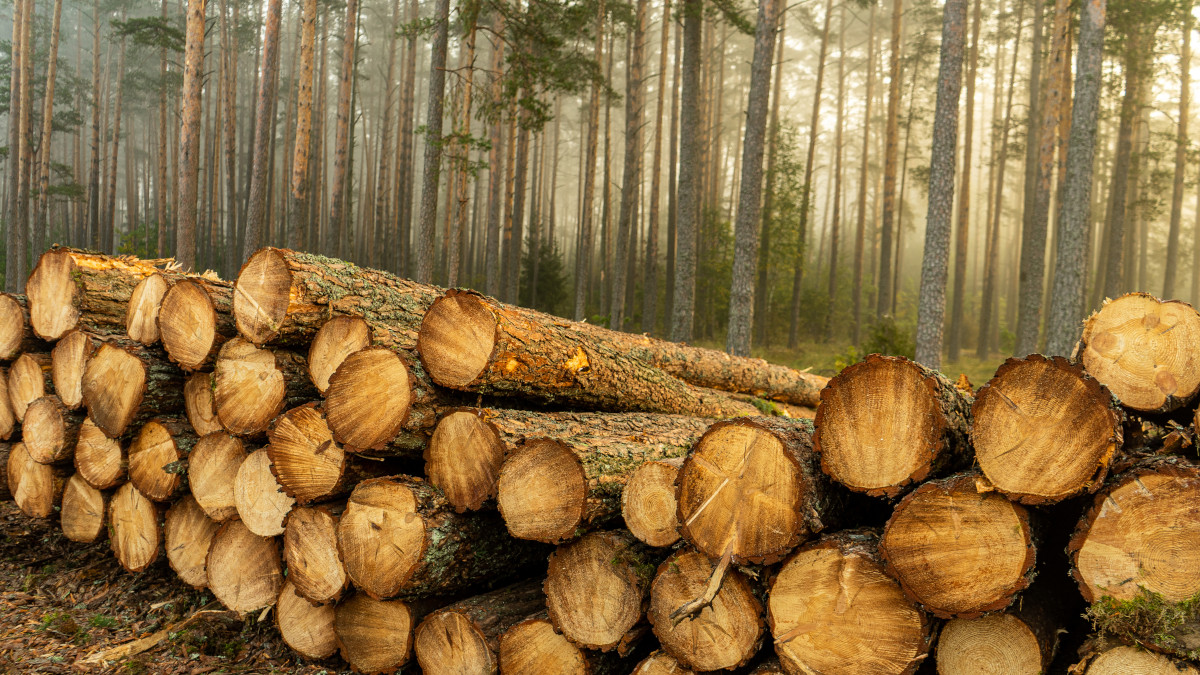
1. The tough outer covering of the woody stems and roots of trees, shrubs, and other woody plants. It includes all tissues outside the vascular cambium.
2. A specific kind of bark used for a special purpose, as in tanning or medicine.
Example: The center of the soup bowl had large cauliflowers in and different colored tree bark was used to do all the two-foot diameter nuts.
sk: kôra
fable
noun
A short story, typically with animals as characters, conveying a moral.
Example: He reached back into the cradle of equality where democratic histories and fables languished, forgotten and ridiculed.
sk: bájka
fibre
noun
Dietary material containing substances such as cellulose, lignin, and pectin, that are resistant to the action of digestive enzymes.
Example: Dried fruits are especially high in fibre.
sk: vláknina
folio
noun
1. An individual leaf of paper or parchment, either loose as one of a series or forming part of a bound volume, which is numbered on the recto or front side only.
2. A sheet of paper folded once to form two leaves (four pages) of a book.
Example: His observations appeared in four large folio volumes (1776-1811).
sk: číslované stránky
hemp
The fibre of the cannabis plant, extracted from the stem and used to make rope, strong fabrics, fibreboard, and paper.
Example: The chief agricultural products are timber, fruit, grain, hemp, flax and vegetables.
sk: konope
illuminated manuscript
An illuminated manuscript is a formally prepared document where the text is often supplemented with flourishes such as borders and miniature illustrations.
Example: The earliest illuminated manuscripts in existence come from the Kingdom of the Ostrogoths and the Eastern Roman Empire and date from between 400 and 600 CE.
sk: iluminovaný rukopis
manuscript
noun
A book that is written for submission to a publisher, or a book, play or other creative work that is written by hand instead of typed. The author's copy of a book that the author has just turned in to the publisher is an example of a manuscript.
Example: He sent the 400-page manuscript to his publisher.
sk: rukopis
papyrus
noun
A material prepared in ancient Egypt from the pithy stem of a water plant, used in sheets throughout the ancient Mediterranean world for writing or painting on and also for making articles such as rope.
Example: Papyrus was also known to the Assyrians, who called it " the reed of Egypt.".
sk: papyrus
parchment
noun
A stiff, flat, thin material made from the prepared skin of an animal, usually a sheep or goat, and used as a durable writing surface in ancient and medieval times.
Example: The British Museum also contains the original parchment of the Articles of the Baron.
sk: pergamen
rattan
noun
A plant from Southeast Asia. It is closely related to the palm tree and grows like a tree. It is one of the strongest woods in the world.
Example: The two most traditional crafts of the area are baskets and furniture made from wood, wicker, rattan and other materials.
sk: trstenica
reed
noun
A tall, slender-leaved plant of the grass family, which grows in water or on marshy ground.
Example: Common reed has taken over the ditches near our house, the weeds growing over 10 feet tall in some parts.
sk: trstina
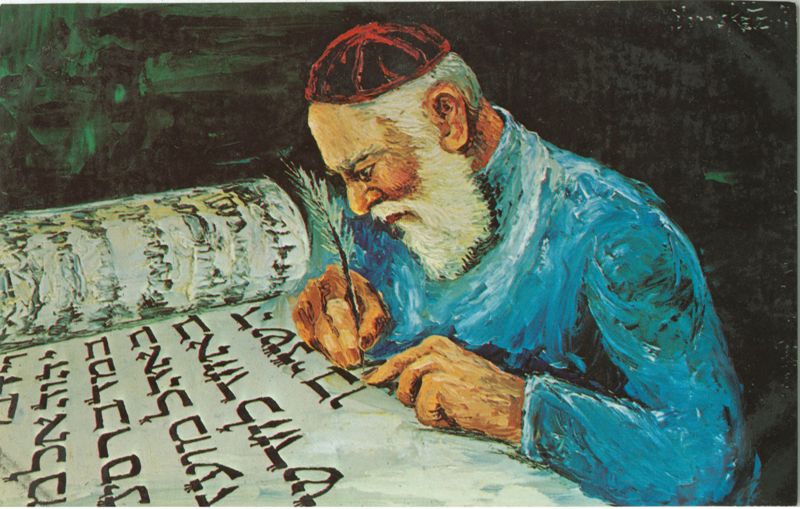
scribe
noun
A person who copies out documents, especially one employed to do this before printing was invented.
Example: Each took a copy and one was held by the scribe to be stored in the archives.
sk: pisár
scriptorium
noun
A room set apart for writing, especially one in a monastery where manuscripts were copied.
Example: The scriptoria were manufactories of books and not centres of learning.
sk: pisárska dielňa
scroll
noun
A roll of parchment, paper, copper, or other material, especially one with writing on it: a scroll containing the entire Old Testament. something, especially an ornament, resembling a partly unrolled sheet of paper or having a spiral or coiled form. a list, roll, roster, or schedule.
Example: Each received a scroll with information on their first day of training and assignments.
sk: zvitok
secular
adjective
Not connected with religious or spiritual matters.
Example: Anything not affiliated with a church or faith can be called secular.
sk: svedský
stone slabs
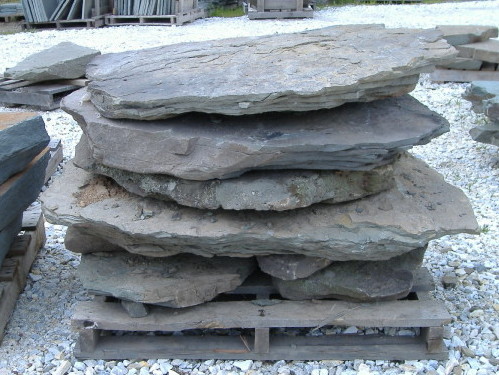
A stone slab is a big stone, flat and relatively thin, often of rectangular or almost rectangular form. They are generally used for paving floors, for covering walls or as headstones.
Example: The site of the tomb is marked by a stone slab, with the inscription Carlo Magno, and above it hangs the famous bronze chandelier presented by the emperor Frederick I.
sk: kamenné dosky
the codex
noun
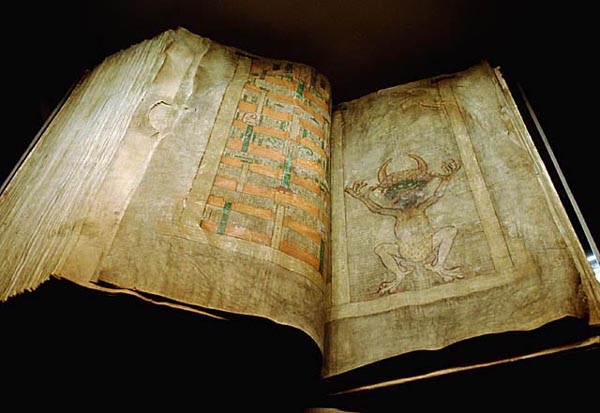
An ancient manuscript text in book form.
Example: The Madrid Library possesses a codex written in the latter part of the 15th century, containing the seventeen books.
sk: kódex
timber
noun
Processed wood which is a stage in the wood production process. Any wood which has the capability of yielding a minimum dimensional size can be termed as timber. -Timber is a naturally renewable resource which is non-toxic and is available broadly around the world.
Example: The chief agricultural products are timber, fruit, grain, hemp, flax and vegetables.
sk: stavebné drevo
vellum
noun
Fine parchment made originally from the skin of a calf.
Example: We passed a shop offering fine parchments and even finer vellums.
sk: pergamen
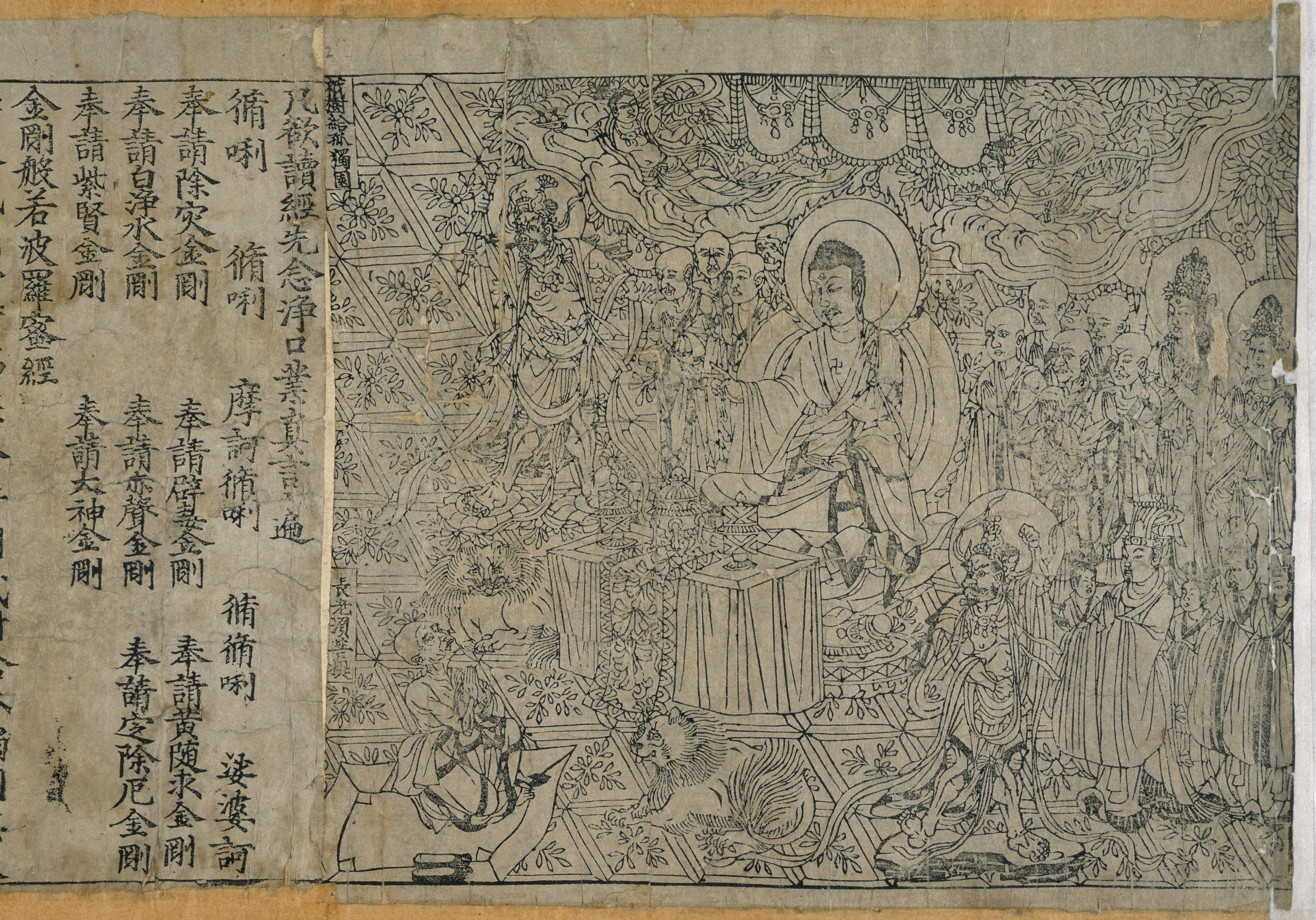
woodblock printing
Woodblock printing or block printing is a technique for printing text, images or patterns used widely throughout East Asia and originating in China in antiquity as a method of printing on textiles and later paper. Each page or image is created by carving a wooden block to leave only some areas and lines on the original level; it is these that are inked and show in the print, in a relief printing process. Carving the blocks is skilled and laborious work, but a large number of impressions can then be printed.
Example: Woodblock printing allowed the rapid production of many books, and increased the speed at which knowledge spread.